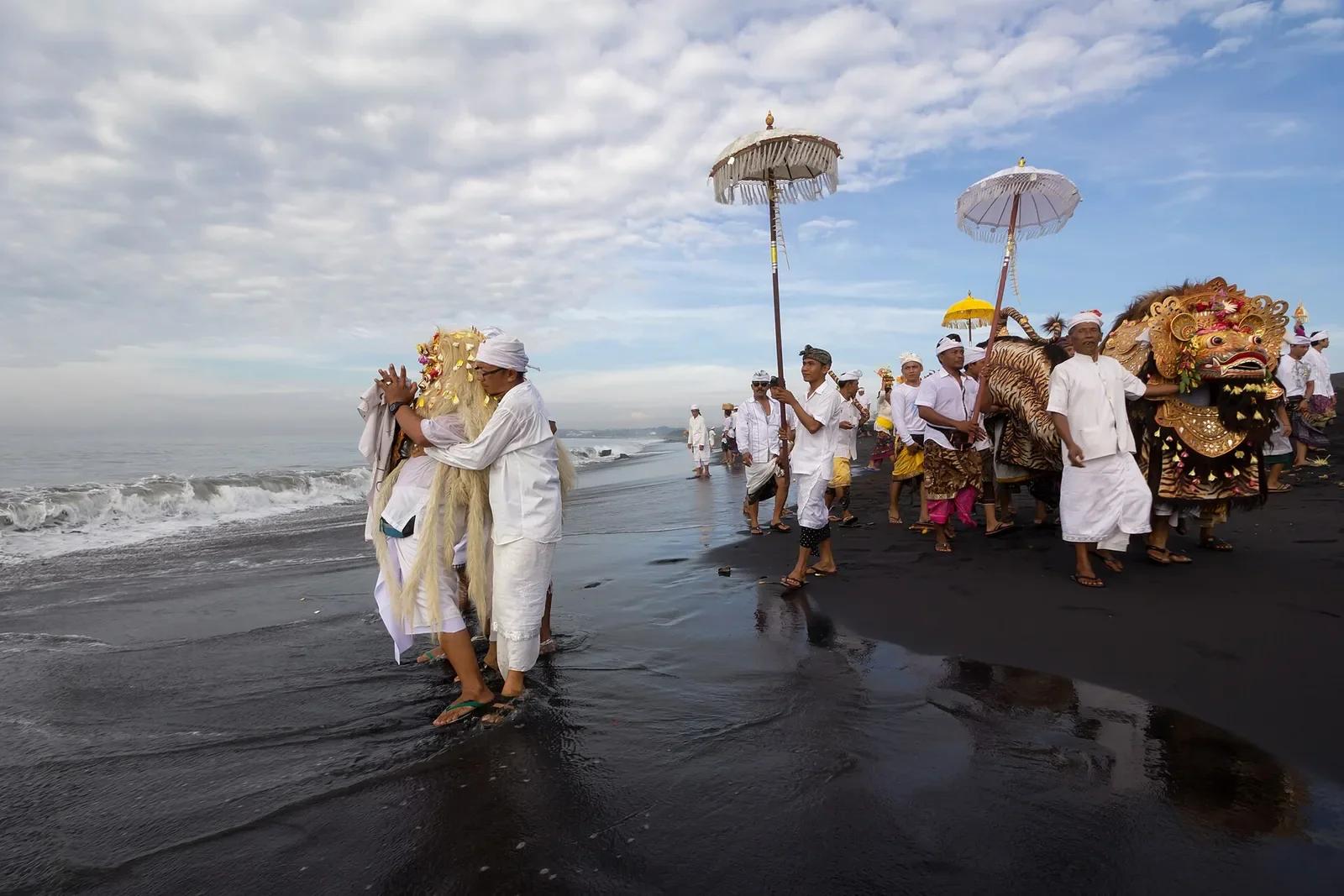
10 things you must know before traveling to Bali in 2027
October 21, 202610 min read6 views
bali-travel-tipsbali-travel-guidefirst-time-in-balibali-tourist-levybali-entry-requirementsbali-travel-2027bali-scooter-rentalesim-balimonkey-forest-ubudbali-temple-etiquette
10 things you must know before traveling to Bali in 2027
Bali is no harder to enter in 2027 than it was a year ago. The paperwork is just checked now. Officers check the levy at busy temples and in resort spot checks. The arrival card, the customs form and the health declaration are one online submission. Rental staff now ask you to prove you can ride before they hand over a scooter key.
None of that should put you off. But the old routine of landing, renting a scooter and buying the visa at the counter now costs more queue time. Do the paperwork before you fly.
The 2027 pre-arrival checklist
Requirement | 2027 details | What to do |
|---|---|---|
All Indonesia arrival card | One free online form. It covers immigration, customs and health, and replaces the separate customs declaration and health pass. | Submit at allindonesia.imigrasi.go.id within 72 hours of arrival. Ignore sites that charge. |
Bali tourist levy | IDR 150,000 (about $8) per person, once per trip. Children are not on the exemption list. | Pay through Love Bali before you fly and keep the QR code. Checks happen at Uluwatu, Tanah Lot and in resort areas. |
e-VOA | IDR 500,000 for 30 days, single entry, with one 30-day extension for another IDR 500,000. | Apply at evisa.imigrasi.go.id at least a week ahead. Autogates only accept visas issued before arrival. |
Passport | Six months of validity beyond your arrival date and two blank pages. | Check for water damage. A creased or torn passport gets refused at check-in, not at immigration. |
Onward travel | Proof of a return or onward ticket is required for a visa on arrival. | Save it offline. Airport wifi is not the place to go looking for a booking email. |
Fees and rules verified 19 November 2026. Conversions use IDR 18,200 to the dollar. Overstaying costs IDR 1,000,000 a day.
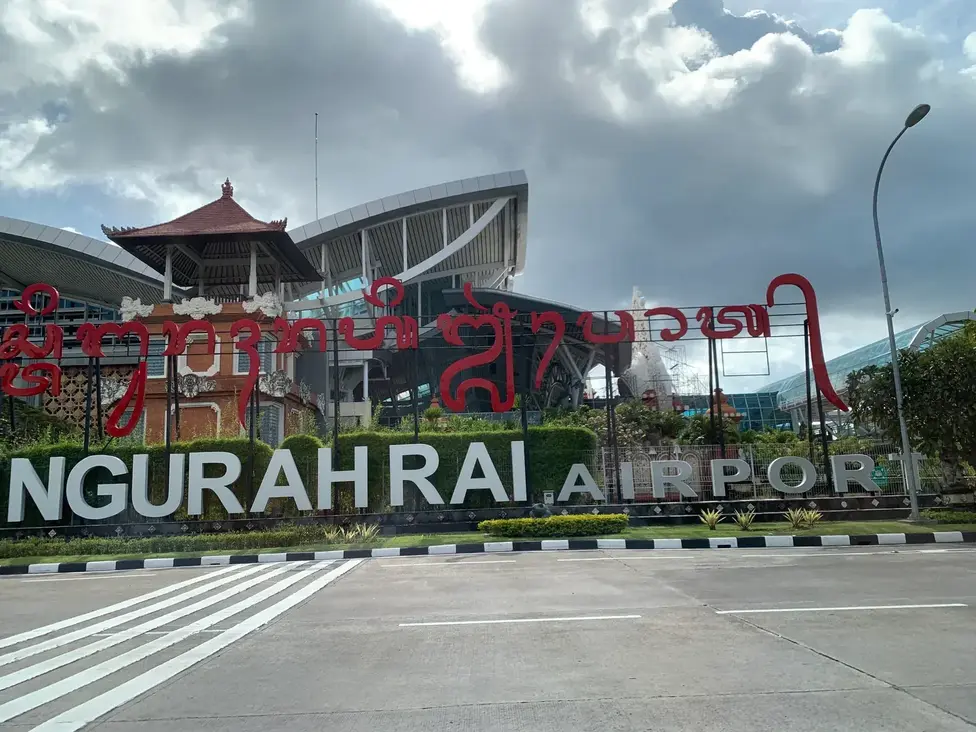
Arrivals at Ngurah Rai. The e-VOA queue and the visa-on-arrival queue are not the same line. Photo: Chainwit., CC BY 4.0, via Wikimedia Commons; resized and converted to WebP.
1. Getting around legally: the scooter crackdown is real
A scooter is still the cheapest way to reach the beaches and warungs that do not appear on a map. The rule is years old. Enforcement is new.
You need an International Driving Permit with the motorcycle category, plus your home license. A car license is not enough. Many car licenses cover a 50cc moped. Almost every rental scooter in Bali is 125cc or larger (Bali Sun).
The traffic directorate asked rental outlets to check. Some now ask for a short test ride before handing over the keys. Police run spot checks on the main roads. The financial risk is larger than the fine. Smartraveller warns that insurers will deny claims if you are unlicensed or riding a class you are not covered for. A crash on an unlicensed scooter can mean paying for surgery yourself.
If you do not ride confidently in traffic, do not learn here. A private car charter costs less than a hospital visit, and the driver already knows which shortcuts are open. Ride-hailing is legal and widely used. Some villages restrict pickups near temples and markets, so expect to walk a few hundred meters to the car.
2. Staying connected: eSIMs, IMEI and the USD 500 line
Buy an eSIM before you fly. You land with data, you skip the Telkomsel queue, and you can book a car while the luggage is still coming out.
The part people miss is the IMEI registry. If you use a local Indonesian SIM, physical or eSIM, you must register the handset. Without it, you get no local signal.
Phones valued under USD 500 are duty-free. Above that, you pay 10 percent duty and 11 percent VAT on the excess. Register at the airport customs desk on arrival, where the exemption applies. If you miss that, a customs office can register it within 60 days, but you lose the exemption.
The workaround is roaming. A travel eSIM routes through a foreign carrier. It never touches the local IMEI registry, which makes it the simplest option for a two-week trip. A 20 GB, 30-day Indonesia plan runs about USD 35. Unlimited plans cost roughly double.
3. Language: when a guide earns the fee
Most Balinese people in tourist areas speak functional English. You will get by at restaurants, hotels and surf shops. "Terima kasih" (thank you) and "tolong" (please) go a long way. Either one usually gets a smile rather than a lesson.
Where a guide earns the money is at cultural sites, trailheads and anywhere a self-appointed expert can invent a fee. The provincial conduct rules say visitors should have a licensed guide at tourist attractions (Bali Sun). That is not enforced at every gate. It is still the rule to cite when someone at a waterfall car park tells you the trail is closed without them.
4. Pack for the climate, the coral and the mosquitoes
The weather is warm year round, so pack light: linen, cotton, swimwear, a hat, decent sunglasses. Bring one pair of proper shoes for temple stairs and waterfall treks. Flip-flops are for the beach, not for wet volcanic rock.
Reef-safe sunscreen matters here. Bali's coral is under pressure, and oxybenzone is linked to bleaching. Take reef-safe sunscreen on any boat trip.
Bring a refillable bottle too. Single-use plastic is banned in Bali, including water bottles under one liter. The ban took full effect in January 2026. Most cafes and hotels will refill a bottle for free.
The health risk people underestimate is dengue. Badung recorded 2,405 cases in 2024, double the previous year (Bali Sun). Mosquitoes bite in the morning and late afternoon. Repellent is a daytime habit, not just a night one.
5. Book the fixed points, leave the rest loose
Walk-up pricing in Bali is inconsistent. Sometimes you get a deal. More often you pay a tourist premium that planning would avoid. Sunrise treks, popular waterfalls and organized day trips sell out in peak season. The last slots are usually the worst ones.
One date matters more than the rest in 2027. Nyepi, the Day of Silence, falls on 8 March. The island shuts for 24 hours. The airport closes, hotels do not check guests in or out, and nobody leaves the compound. If your dates overlap, book the nights before and after, and confirm your hotel can feed you.
The rest of the year follows the usual pattern. June to September is peak. Christmas and New Year is the second spike. The wet season runs November to March, and January and February are the wettest. Book hotels three to six months ahead for peak season, and earlier for a specific villa. If you want the fixed points handled, the curated packages include the transfers that are hardest to improvise.
6. Temple etiquette: the rules are written down now
The provincial government enforces a formal Tourist Code of Conduct, and it is more specific than "cover up". The current circular sets nine obligations and six prohibitions. Satpol PP enforces them with a special team (Bali Sun).
The basics: cover your shoulders and knees at any temple or ceremonial site. Men and women both need a sarong and sash, which most temples rent or lend at the entrance. Do not enter the inner sanctums, the utamaning and madyaning mandala, unless you pray in Balinese dress. Do not climb sacred trees or structures. Do not pose disrespectfully near offerings. No single-use plastic, no aggressive behavior, no hate speech online, and no working without a permit.
The province does not publish a fine schedule. The stated consequence is firm action, which in practice means immigration, up to deportation. Immigration has removed tourists for stunts at holy sites. The province also runs a WhatsApp hotline for violations on 081-287-590-999. Use it to report a violation. It is not an information line.

Uluwatu Temple. The sarong is not optional, and the gate staff will tell you so. Photo: Jakub Hałun, CC BY-SA 4.0, via Wikimedia Commons; resized and converted to WebP.
7. Waterfall treks: the stairs are the easy part
The waterfalls in North and Central Bali are worth the effort, but "effort" is literal. Sekumpul involves roughly 300 steep steps down a jungle canyon, in humidity that fogs your phone. Then you climb back out.
The official ticket at Sekumpul is IDR 20,000. A guide is not mandatory. In 2023 a task force ordered the roadside counters to close. Those counters pushed IDR 300,000 to 600,000 "packages" on visitors. Buy at the official desk and ask what the ticket includes before you pay.
Nungnung went up by IDR 10,000 in January 2026. Aling-Aling's official entrance fee stops at around IDR 40,000.
Wear shoes with grip. Bring a dry bag for your camera and phone, because the mist soaks everything. Carry water. If it rained hard the night before, skip the canyon. Flash floods in a narrow gorge are not a theoretical risk.
8. The Ubud Monkey Forest: IDR 130,000 and a rabies rule
The Sacred Monkey Forest in Ubud is worth visiting. The temples inside are centuries old. The forest is a genuine conservation site, not a petting zoo. The adult ticket rose from IDR 100,000 to IDR 130,000 on 1 April 2026. Children pay IDR 100,000. It is open 09:00 to 18:00, with last entry at 17:00 (Monkey Forest Ubud).
The long-tailed macaques are professional thieves. They take sunglasses off faces, phones out of back pockets and water bottles from side pouches. Before you go in, put everything in a zipped bag. No dangling jewelry, no loose snacks, no plastic bag hanging from your wrist.
If a monkey grabs something, let it go. They bite. A bite means post-exposure rabies treatment, not a funny story. The park says it has never detected rabies and runs an on-site clinic. The Gianyar animal health office still advises washing any scratch with soap under running water and going straight to a clinic (Bali Sun).

A long-tailed macaque in the Ubud Monkey Forest. They are quick, and they know what a plastic bag means. Photo: ZiemowitJ, CC BY 4.0, via Wikimedia Commons; resized and converted to WebP.
9. Canggu, and the traffic that now defines south Bali
Canggu is still where most first-time visitors under 40 end up. Batu Bolong has forgiving waves for beginners, the cafe scene is solid, and the beach clubs deliver.
Five kilometers on Jalan Pantai Batu Bolong takes 10 to 15 minutes at mid-morning and over an hour at 5pm. The transport agency floated a one-way scheme in June 2026, then cancelled it within days. Every alternative road is the same width and already full (Bali Sun).
The rest of the south is no better. Ubud has its own one-way trials and now drops tour buses outside the center. Uluwatu lost the Sterling Shortcut on 11 February 2026. The drive to Jimbaran now takes over an hour at peak, for a trip that used to take 10 minutes (Bali Sun).
Plan one area per day. Do not cross the island for dinner.
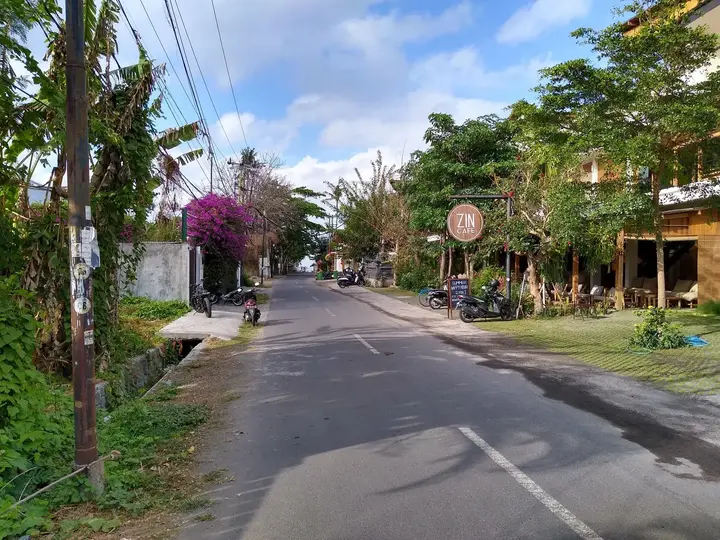
A lane in Canggu. The shortcut is motorbike-only, and the main road was not built for the volume. Photo: Mx. Granger, CC0, via Wikimedia Commons; resized and converted to WebP.
10. Eat well without getting sick
Indonesian food is worth exploring seriously. Nasi goreng, babi guling and nasi campur are the standards. The variety goes deeper once you start eating where locals eat.
Bali belly is usually water or ice. Drink bottled or filtered water. Ice in established restaurants is fine, and it is usually cylindrical with a hole in the middle. Skip the ice from a cart at a roadside stall. Eat at busy places where turnover is high. If a warung has a line of locals at lunch, the food is fresh.
The serious one is methanol. Cheap arak and unbranded spirits in cocktails have killed people. Drink at places with a license and a reputation. Skip the free-pour "special" at a bar with no menu. If you do get sick, oral rehydration salts are the first step. A fever or blood means a doctor, not another day in bed.
BIMC and Siloam have emergency departments. Bali International Hospital in Sanur opened in June 2025 with 255 beds and a full ER (Bali Sun). Call your insurer before you check in, because hospitals may ask for a payment guarantee.
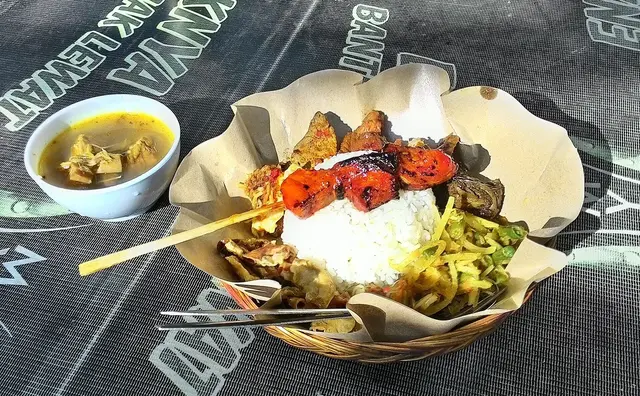
Nasi campur. Eat where the tables are full and the food is fresh. Photo: Gunawan Kartapranata, CC BY-SA 4.0, via Wikimedia Commons; resized and converted to WebP.
Pay the levy before you fly. Apply for the visa online. Register the phone or use a roaming eSIM. Assume every drive takes longer than the map says. The rules exist because the island carries more people than its roads and temples were built for.
Sign up for a free BaliRoam account to browse vetted tours, car charters and local experiences across the island. The team on the ground checked everything listed.
Frequently Asked Questions
What documents do I need to enter Bali in 2026?
Your passport needs at least six months of validity. All Indonesia digital arrival form is required for all international arrivals and may be completed up to three days before arrival. If eligible, you can get a Visa on Arrival (IDR 500,000 for 30 days) or apply for the e-VOA online to bypass the visa-payment counter at the airport. The Bali tourist levy of IDR 150,000 applies to most visitors (some exemptions exist for diplomatic and certain visa holders).
Do I need a special license to rent a scooter in Bali?
Yes. You need a valid International Driving Permit (IDP) with motorcycle endorsement (Category A) in addition to your home license. Police run checkpoints around Canggu and Seminyak. Riding without an IDP also voids most travel insurance policies.
What should I pack for a trip to Bali?
Pack light. Bring swimwear, a sturdy pair of flip-flops or reef sandals, a sarong for temple visits, reef-safe sunscreen, a hat, sunglasses, and a compact rain poncho. Leave the sneakers at home unless you are planning a volcano hike.
How do I avoid Bali Belly?
Stick to bottled or filtered water. Be cautious with ice at small street stalls. Eat at busy local establishments where high turnover means fresher food. Pack a small first aid kit with oral rehydration salts and diarrhea medication (avoid if you have a fever or bloody stool).
What is the best way to get around Bali?
Bali has no train system. For flexibility, book a private car with a driver who knows the roads. For short trips, use Grab or Gojek ride-hailing apps. If you rent a scooter, carry an International Driving Permit, wear a helmet, and download offline Google Maps before heading out.